Oral and dental health in children with disabilities
Blogs
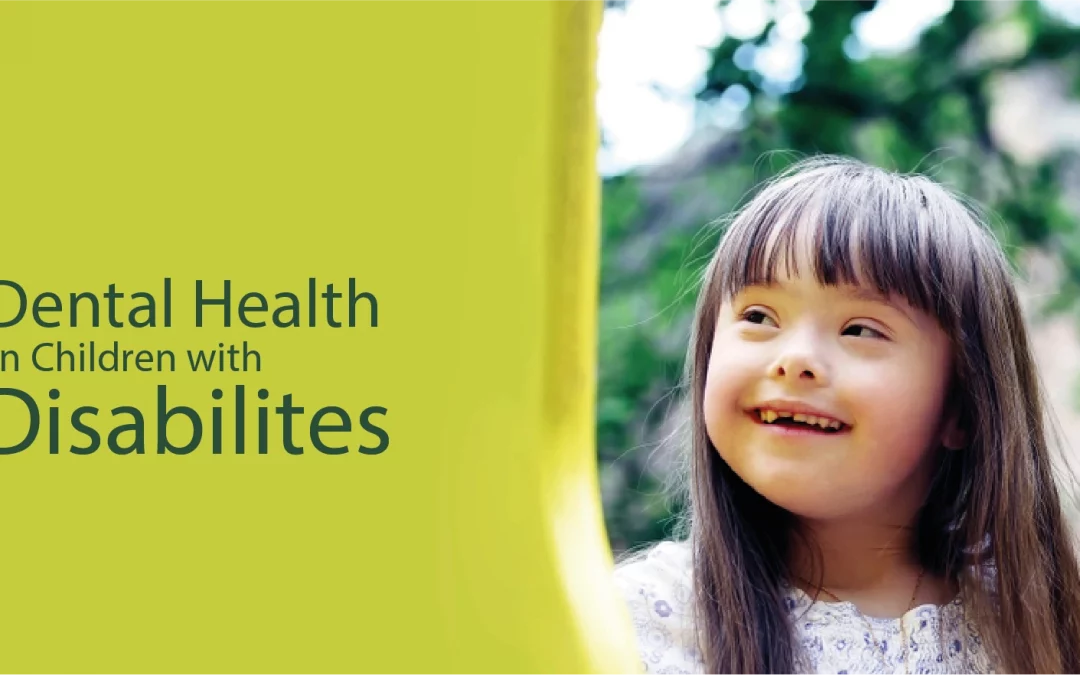
According to Dr. Musallam, providing oral and dental healthcare to children with disabilities is a cornerstone of pediatric dentistry.
Children with disabilities usually face multiple challenges and barriers when it comes to their intellectual, physical, developmental, emotional, and medical conditions. This goes on constantly throughout their whole life, leading their caregivers to focus more on general health. In turn, this means their oral care needs are left unmet.
That said, Dr. Musallam insists that it is crucial to emphasize the fact that children with disabilities are more susceptible to oral health problems than others. It is, however, important to note that oral diseases that develop from lack of oral care can have a devastating impact on their general health and quality of life.
Some disabled children cannot express themselves well.
As they cannot verbalize any tooth pain, which in turn is shown through mood swings, unusual aggressive behavior, refusal to eat (or preferring soft food), rubbing their cheeks or mouth, and having difficulty sleeping.
Contributing factors that lead to periodontal diseases and dental caries in disabled children
As Dr. Musallam tells us, the contributing factors which lead to the high prevalence of periodontal diseases and dental caries among children with disabilities include:
•The Congenital dental abnormalities when it comes to size and shape, as well as the developmental defects of tooth tissue layers (such as hypoplastic teeth), lead to more vulnerability for tooth decay.
•The medications’ have side effects. Some meds contain sugar to sweeten the taste, which can increase the risk of tooth decay, especially when taken on a regular basis. Moreover, some meds reduce saliva production, which can cause xerostomia (dry mouth), which in turn can lead to periodontal diseases, tooth decay, and oral infections. Finally, meds can cause gingival overgrowth, resulting in difficulties in achieving good oral hygiene practice.
•The consumption of a more cariogenic, soft, and pureed diet by children with disabilities (especially the ones with mental retardation, and generalized hypotonia) meaning food retention in the mouth for a long time prior to swallowing.
Benefits of establishing a proper oral care routine at home for children with disabilities
Establishing a proper oral care routine at home not only can decrease the risk of having both periodontal diseases and tooth decay but also can decrease anxiety and fear of dental treatments if needed and make the follow up dental visits more smoothly done with a disabled child .
Additionally, consider the use of xylitol, saliva substitutes, and sodium bicarbonate to assist with xerostomia which is a medication side effect.
In conclusion, delivering quality dental and oral care is as important as delivering medical care for children with disabilities. Dr. Musallam emphasizes that looking after their oral and dental health is important to prevent them from experiencing dental pain and oral infections.